★ Trusted since 2006

Chimney Sweep & Repair

Most homeowners have never seen the inside of their own chimney. We sweep it, inspect it, photograph what we find, and give you a straight answer about what needs doing. Wood and gas fireplaces, masonry and prefabricated systems.

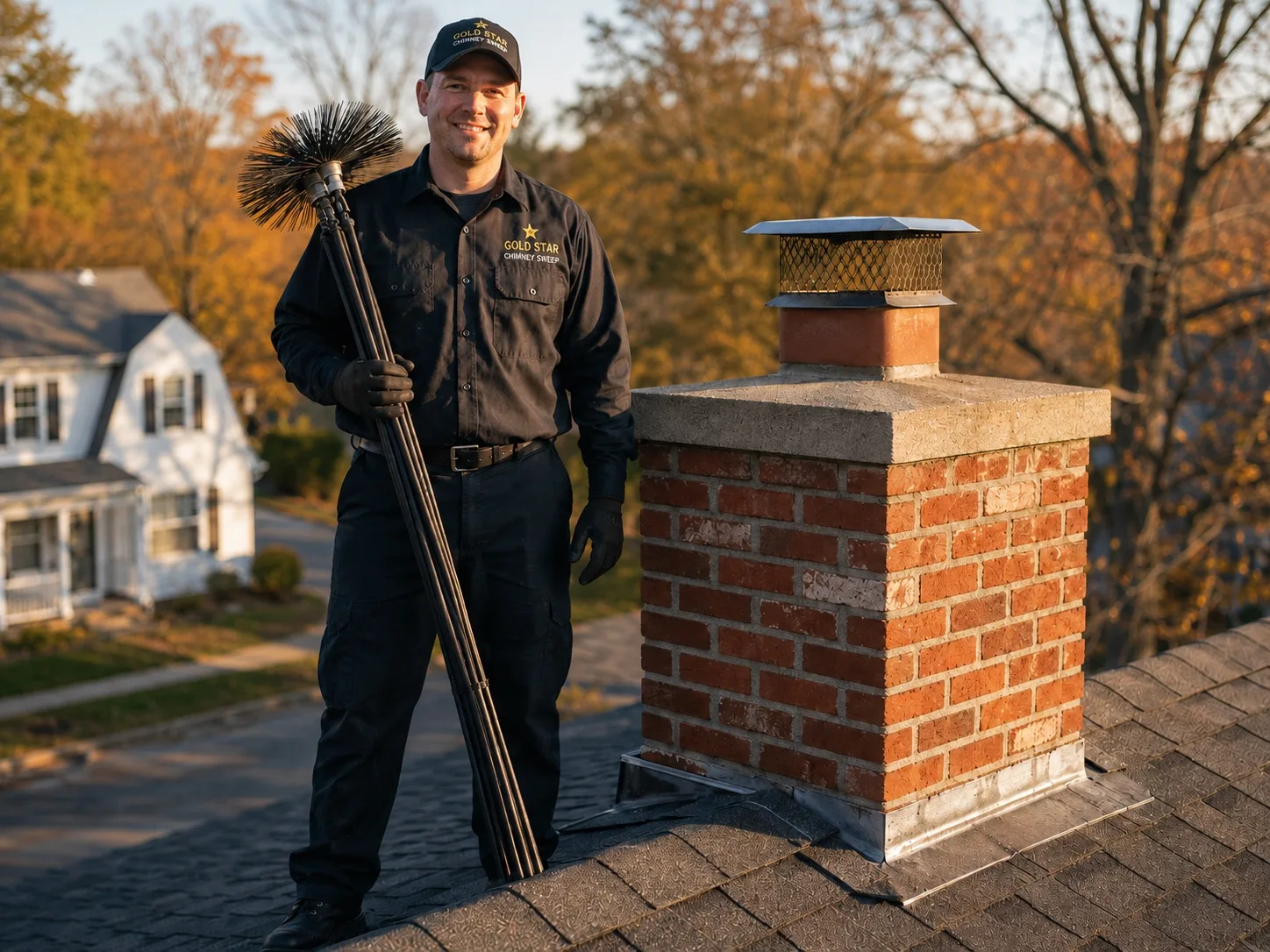
Chimney sweep technician working beside a brick chimney on a residential roof

Family-run since 2006

Founded by George Bogan

Written findings

Photos, not verbal reassurance

Licensed, insured & bonded

Protected on every job

Seven days a week

7:00 AM to 9:00 PM, including weekends

We look before we quote

Nothing gets recommended until the chimney has been inspected and, where it matters, scanned with a camera.

Explained without jargon

You will hear what we found, what it means, and what happens if you leave it, in language that makes sense.

Your house stays clean

Floor covering from the door to the hearth, drop cloths down, and a HEPA vacuum sealed at the fireplace opening.

Scheduling that holds

A booked window means a booked window. If something changes on our end, you hear it from us first.

★ What we do

Chimney services, cap to firebox

Nine services covering the whole system. Most visits start with a sweep and an inspection, and the rest follow from what that turns up.

Chimney Cap Installation

Stainless or copper caps sized to your flue, keeping rain, animals, and debris out of the chimney.

Chimney Cleaning

Creosote and soot removed from the flue, smoke chamber, and firebox, with dust containment inside your home.

Chimney Clog Removal

Nests, debris, and fallen masonry cleared from a blocked flue, then capped so it does not happen again.

Chimney Extension

Raising a chimney that sits too low for proper draft or fails the required height above the roofline.

Chimney Inspections

NFPA 211 Level 1, 2, and 3 inspections with camera scanning and a written report you can act on.

Chimney Lining

Stainless liners and relining for cracked clay tile, unlined chimneys, and appliance conversions.

Chimney Repair

Crown rebuilds, tuckpointing, spalled brick replacement, flashing, and waterproofing for masonry chimneys.

Chimney Sweep

The full service visit: sweep the system, inspect what is behind the soot, and tell you where it stands.

Fireplace Repair

Firebox, damper, and smoke chamber repairs for fireplaces that smoke, crack, or will not draft properly.

★ Our Approach

Chimney work here is not the same job

Chimneys do not all fail the same way. Climate, fuel, and construction change what goes wrong, and most chimney advice is written as if they do not.

A fireplace that barely gets used

Most homes here light a handful of fires between December and February. The chimney still ages through the other ten months, and in this climate the weather does more damage than the burning ever does. That is why the annual inspection matters more here than the sweep itself.

Salt air on every metal part

Chloride holds moisture against metal, so caps, dampers, flashing, and chase covers corrode years earlier near the coast than they do inland. Replacing them in stainless rather than galvanized is usually the difference between a repair and a recurring problem. See chimney caps.

Humidity instead of frost

The freeze-thaw cycle behind most published chimney advice does not happen here. Masonry simply stays damp, mortar softens over time, and white efflorescence appears on the chimney breast. Different mechanism, same result, and it is most of what chimney repair deals with here.

Prefabricated systems everywhere

A great many homes built here from the 1970s onward have a factory-built fireplace inside a framed chase rather than a masonry chimney. Their weak point is the metal chase cover, which rusts through while still looking perfectly intact from the ground.

Wildlife and canopy debris all year

There is no hard winter to interrupt nesting, and the tree canopy sheds constantly. An open flue collects nests, leaves, and seed pods whether or not anyone ever lights a fire in it. See clog removal.

Storm season

Named storms lift caps, shift flashing, and drive water deep into the stack. Very little of that shows from the ground, and insurance reporting windows are short, so an inspection soon after a storm is worth considerably more than one a month later.

CAPCROWNFLUE LINERSMOKE CHAMBERDAMPERFIREBOX

★ Anatomy of a chimney

Most of a chimney is somewhere you cannot see it

From the living room you see a firebox and a damper. The rest, liner, smoke chamber, crown and cap, is out of sight, which is exactly why problems develop quietly there.

Chimney capThe cover over the flue opening. Keeps rain, animals and windblown debris out while still letting exhaust escape.

CrownThe concrete slab across the top. Its job is to shed water off the chimney rather than into it. Cracked crowns are the most common entry point for water.

Flue linerThe clay tile or stainless pipe that actually contains flue gases, keeping heat off the framing and corrosive byproducts off the masonry.

Smoke chamberThe tapered area above the damper that funnels smoke into the flue. Rough, unparged chambers slow the draft and collect heavy creosote.

DamperThe plate that opens to vent a fire and closes to seal the flue. A rusted damper that will not close is a permanent hole in your building envelope.

FireboxThe firebrick chamber where the fire burns. Its refractory joints take direct heat and open up over time.

★ Why homeowners call us back

Careful work, and an honest answer about what you need

The chimney trade has a reputation problem, and it comes from one behaviour: technicians finding expensive problems that were not there. We would rather tell you the chimney is fine and see you again next year.

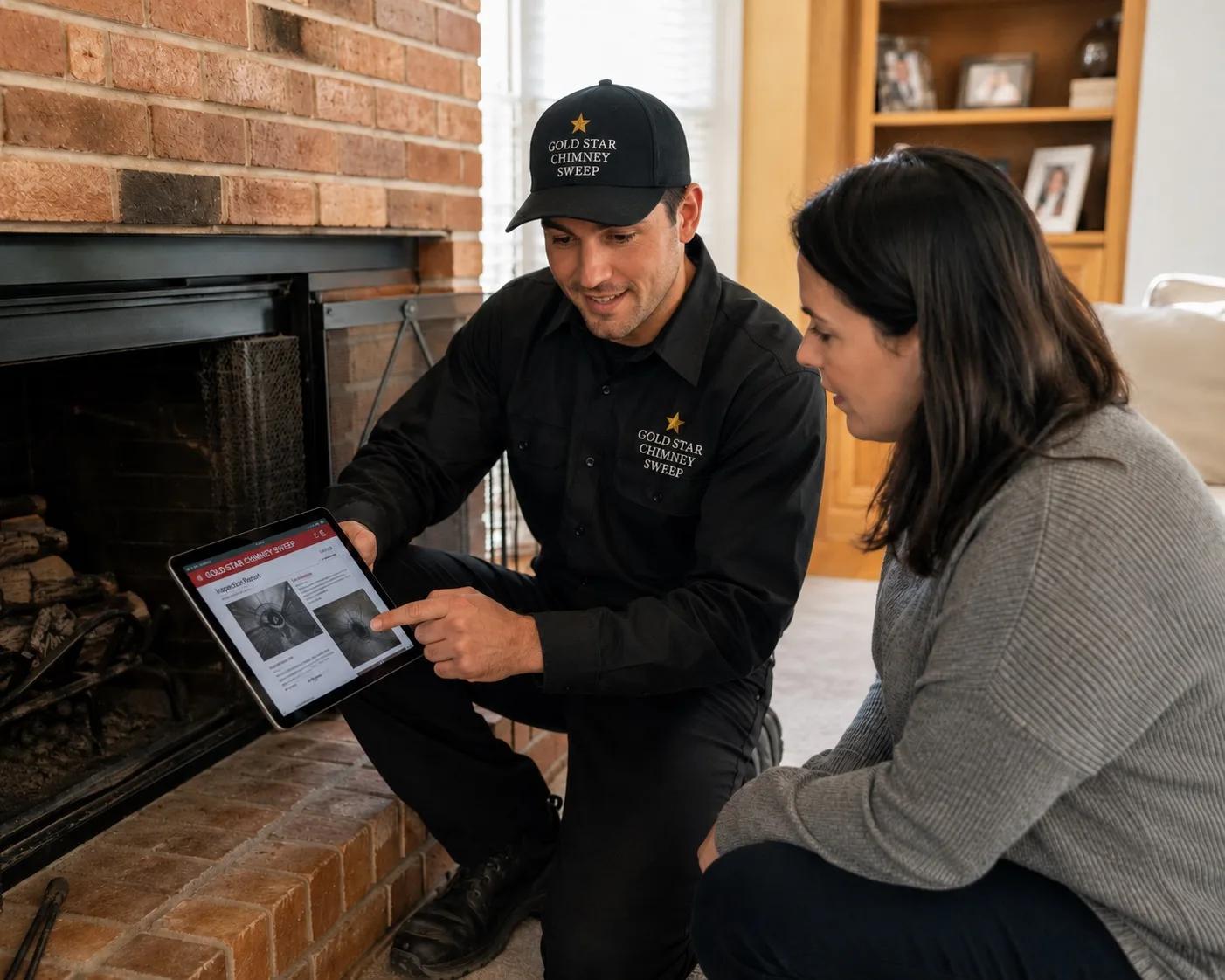
Chimney technician reviewing inspection findings with a homeowner at their fireplace

★ How it works

Four steps, no surprises

The same sequence on every job, whether it is a routine sweep or a crown rebuild.

STEP 01

Request service

Call or send the form. Tell us the fuel type, the appliance, and what you have noticed, which helps us arrive with the right equipment.

STEP 02

Chimney evaluation

We sweep and inspect the system top to bottom, including the crown, cap, and flashing above the roofline.

STEP 03

Clear recommendations

You get photos, findings, and a ranked list: what is urgent, what can wait, and what does not need touching.

STEP 04

Professional service

Any approved cleaning or repair work is completed with materials matched to your chimney, and verified before we leave.

★ In detail

The services most homeowners need

Five of the nine account for most of what we do. Each has its own page with the full picture.

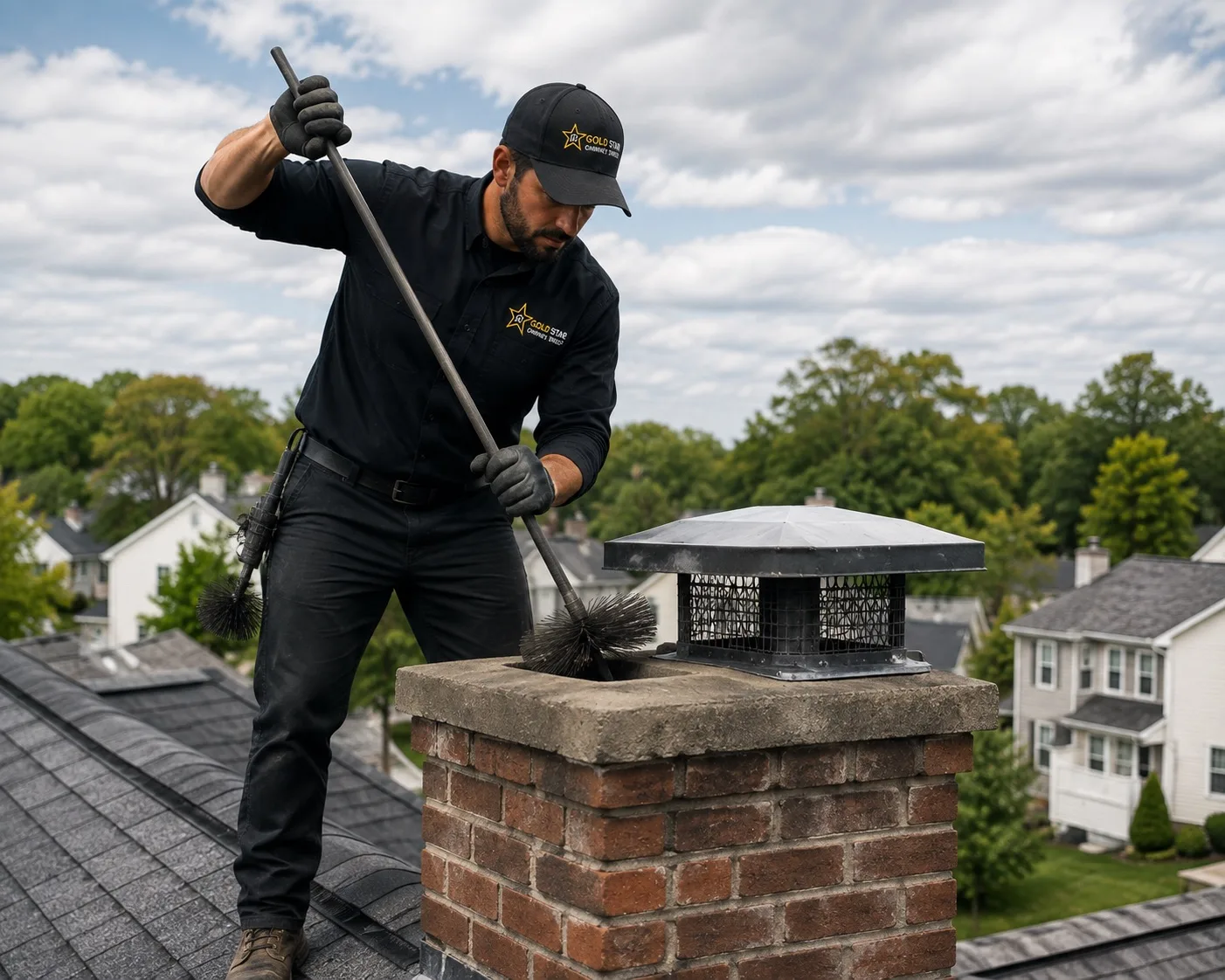
Chimney sweep technician working at a residential chimney sweeping

Chimney Sweep

The full service visit: sweep, inspect, and a plain report on what we found. Booked once a year, it is the appointment everything else hangs off.

Chimney Cleaning

Creosote and soot removed from the flue, smoke chamber, and firebox, with containment so your living room stays clean.

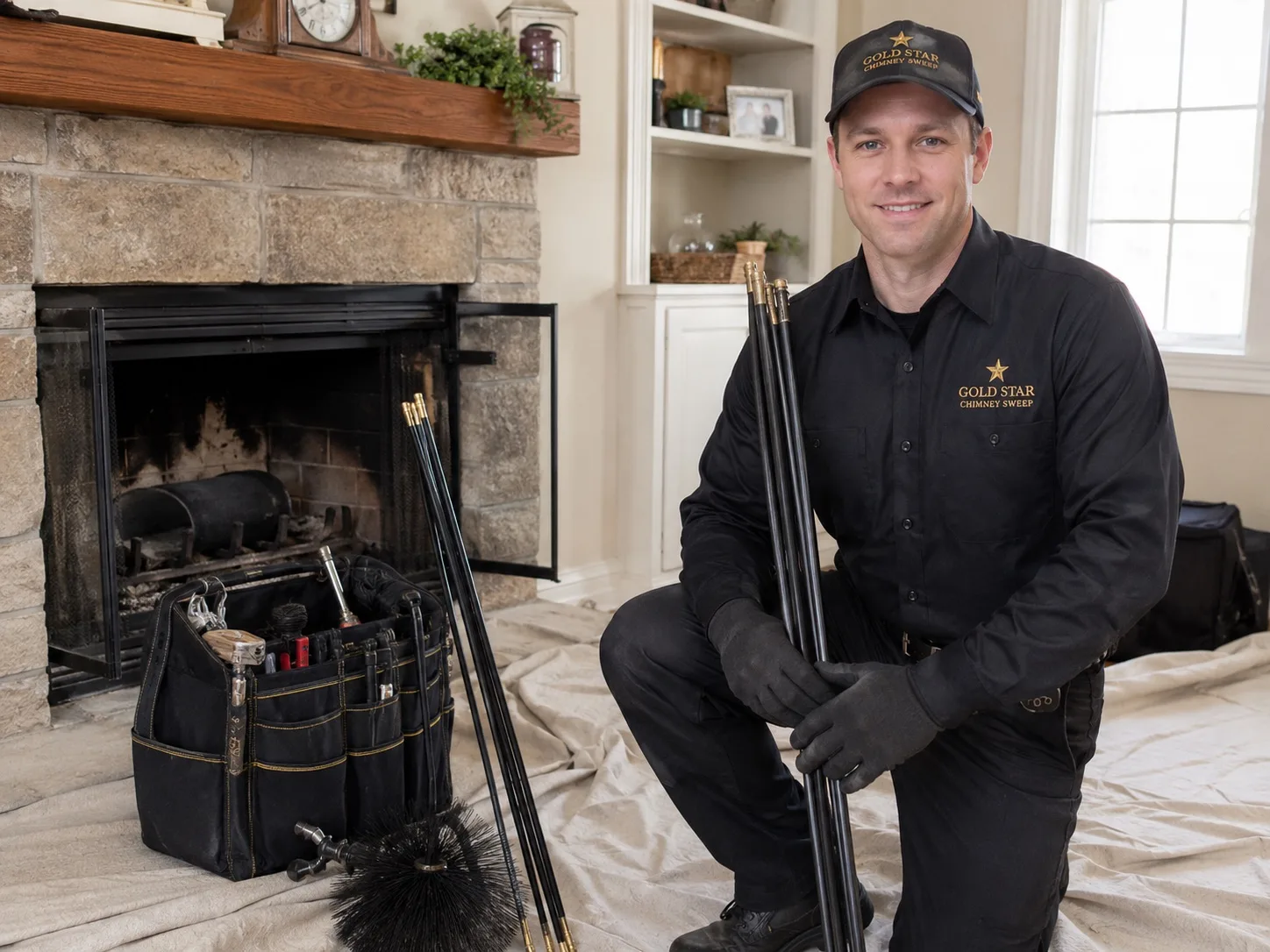
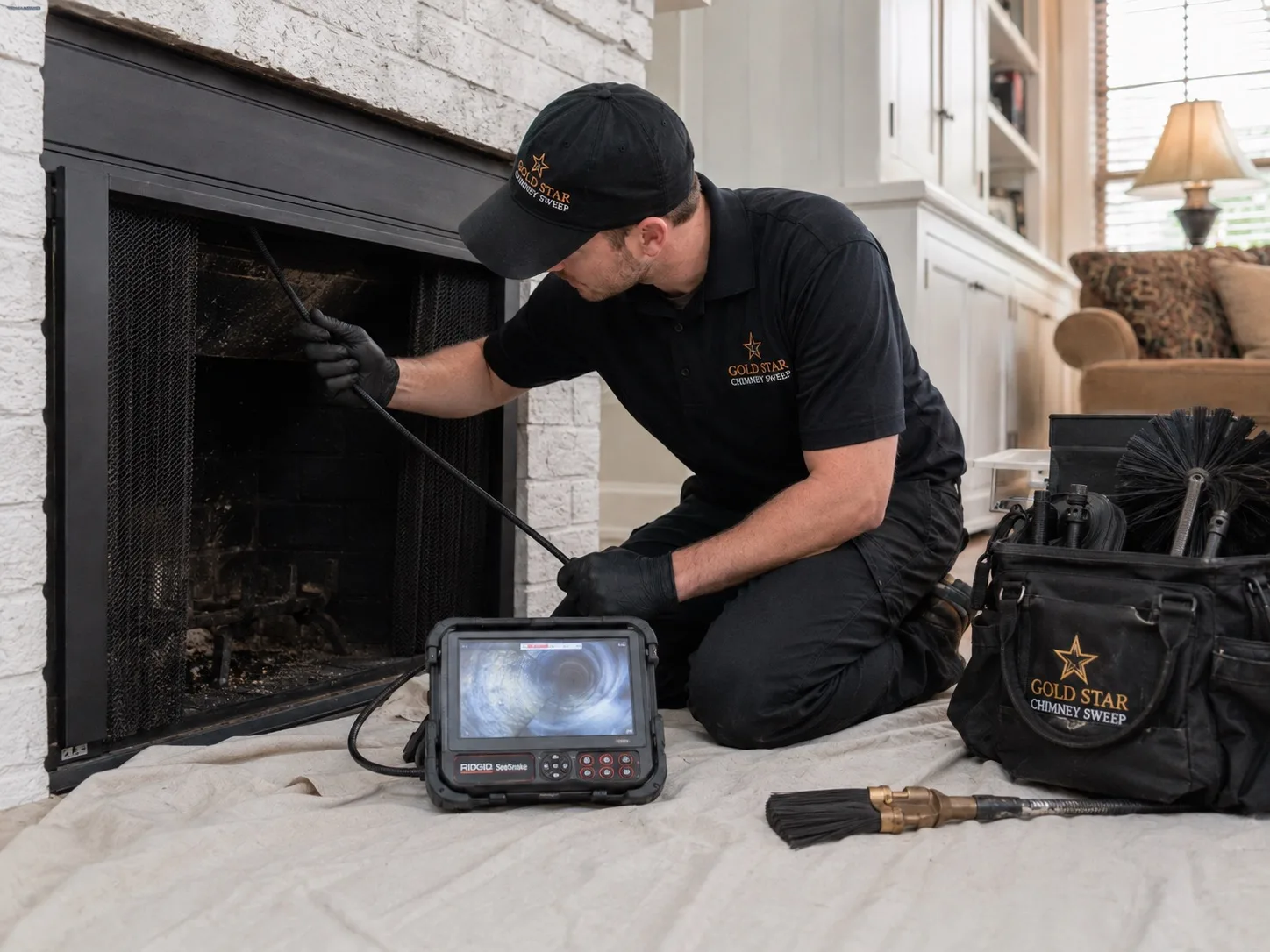
Chimney sweep technician working at a residential fireplace with drop cloths down
Technician running a video inspection camera up a chimney flue

Chimney Inspections

Level 1, 2, and 3 inspections to the NFPA 211 standard, with video flue scanning and a written report you can hand to an insurer or a buyer.

Chimney Repair

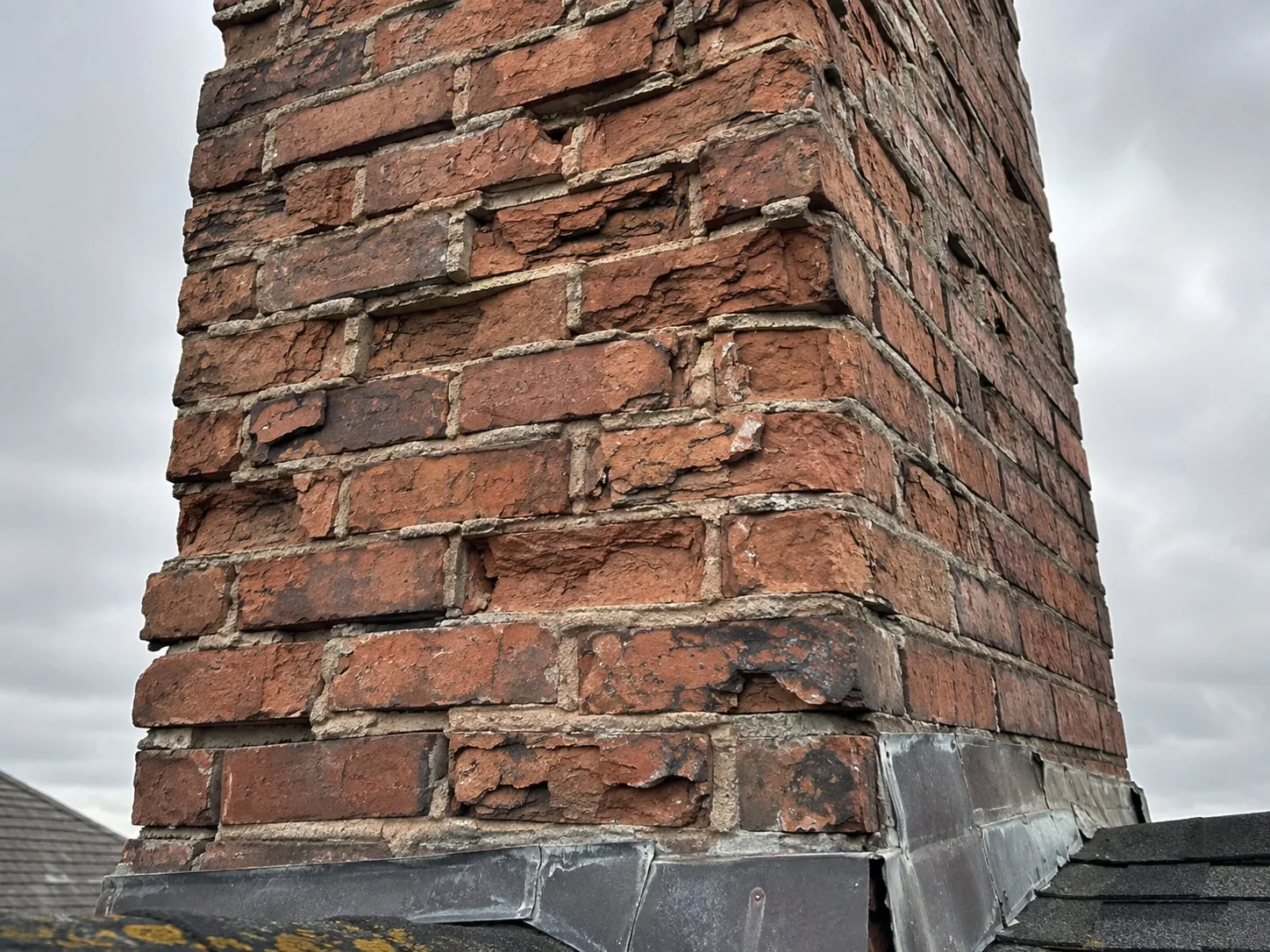
Crowns, mortar joints, spalled brick, and flashing. We find where the water is getting in before we start sealing anything.

Fixing brick chimney with spalled brick and eroded mortar joints
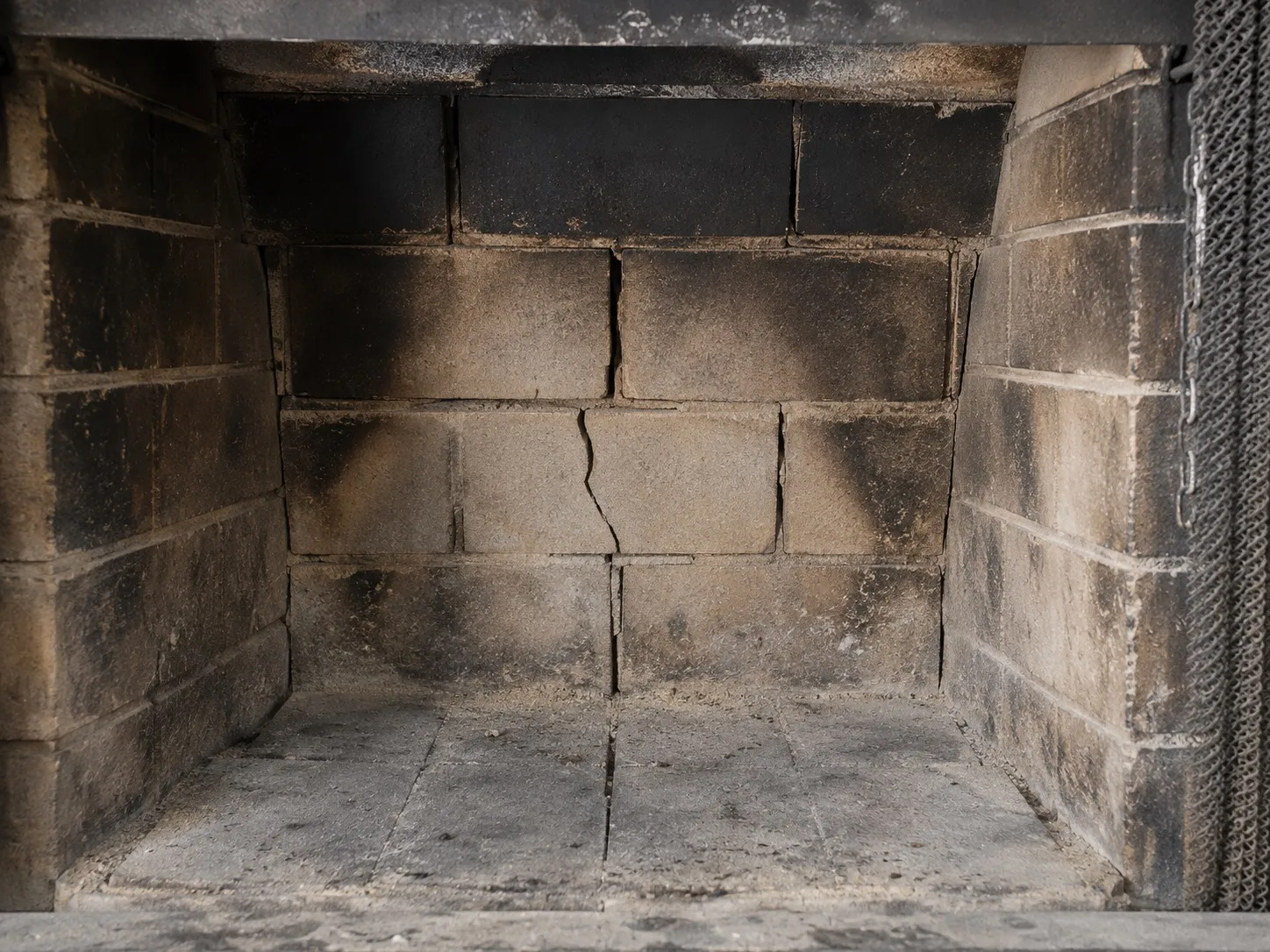
Firebox with cracked firebrick needs mortar

Fireplace Repair

Cracked firebrick, seized dampers, and fireplaces that smoke into the room, diagnosed properly, then fixed.

★ Our work

Before and after

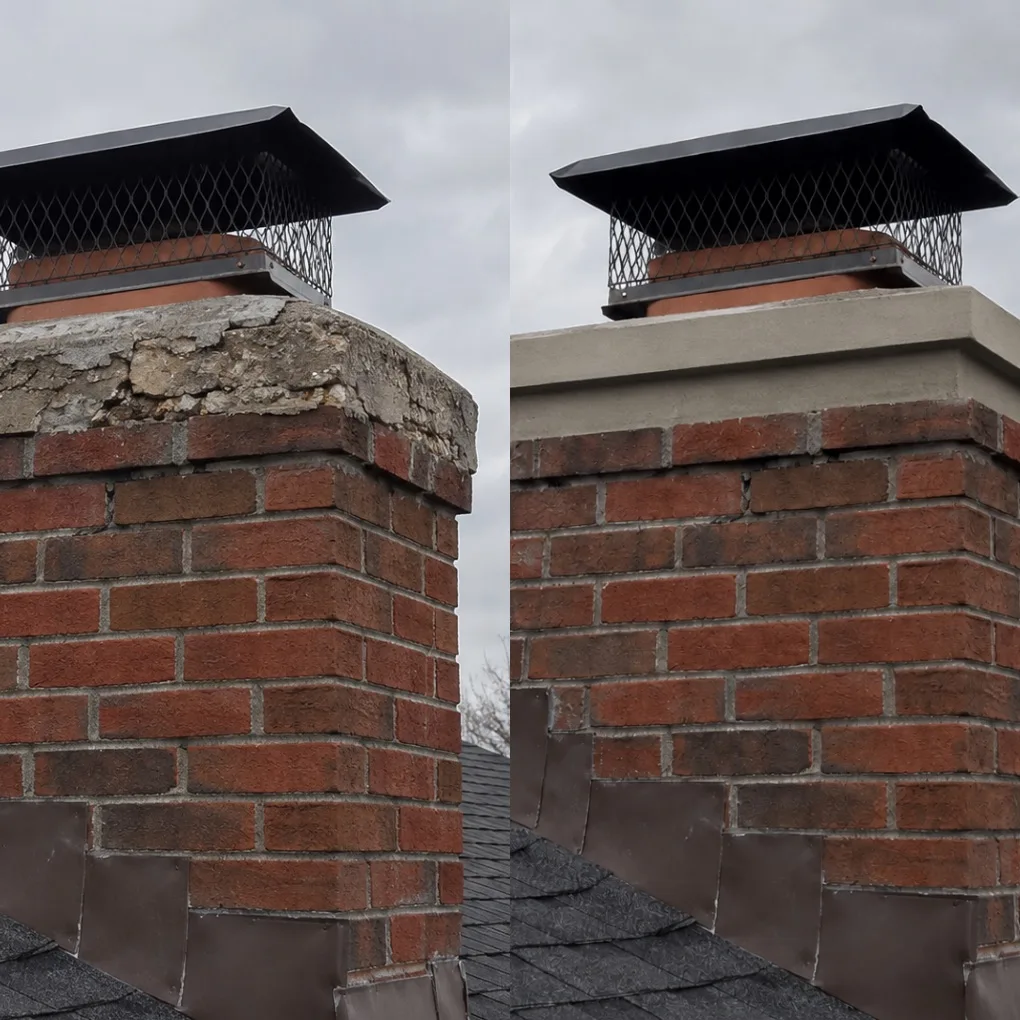
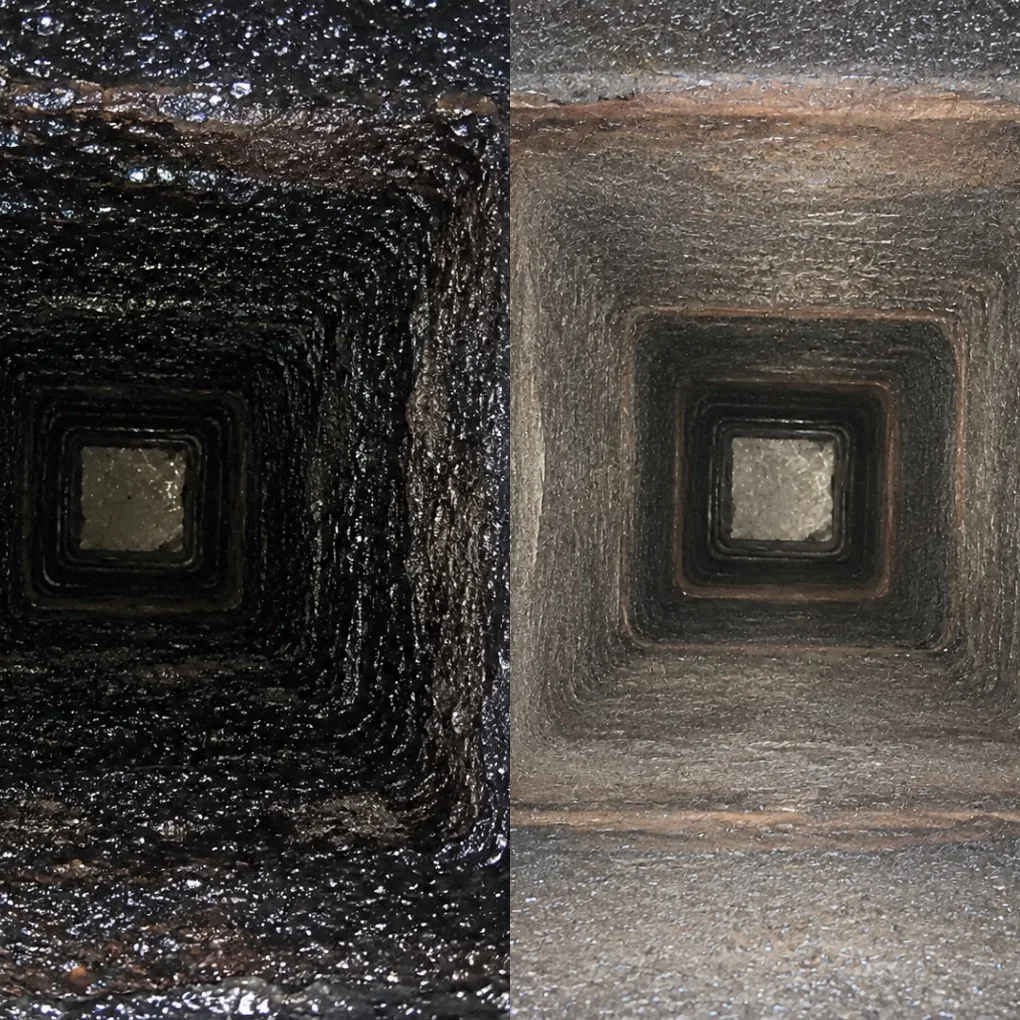
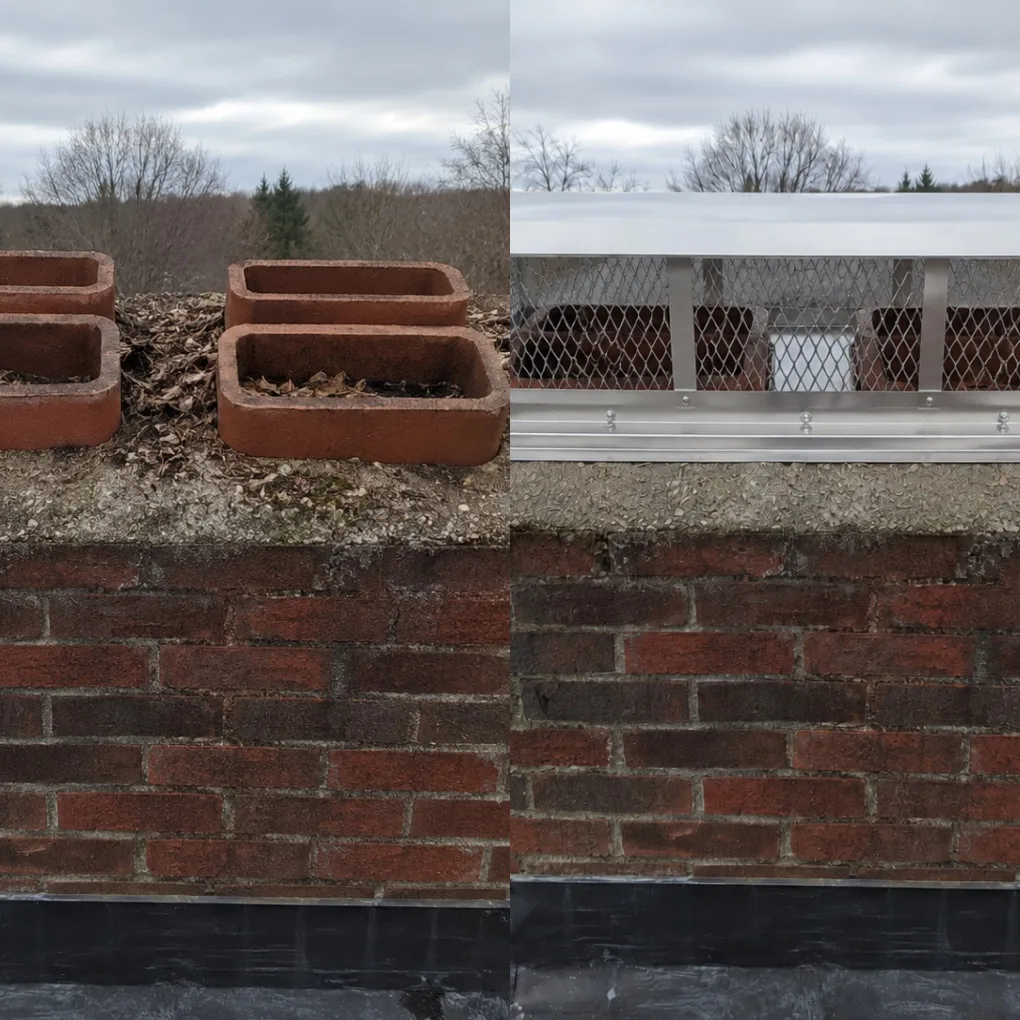
Crown rebuilds, creosote removal, and cap installations, photographed from the same angle before and after.

Chimney crown before and after rebuild

BeforeCrown rebuildAfter

Chimney flue before and after creosote removal

BeforeCreosote removalAfter

Chimney flue before and after cap installation

BeforeCap installationAfter

★ Who you are letting in

Doing this since 2006

George Bogan started Gold Star in 2006, but he learned the trade long before that, as a child, following his grandfather from job to job, carrying rods and watching how a chimney gets read.

What stuck was not only the mechanics of sweeping a flue. It was watching someone explain to a homeowner exactly what was happening above their fireplace, in words they could actually follow. That is still the standard here.

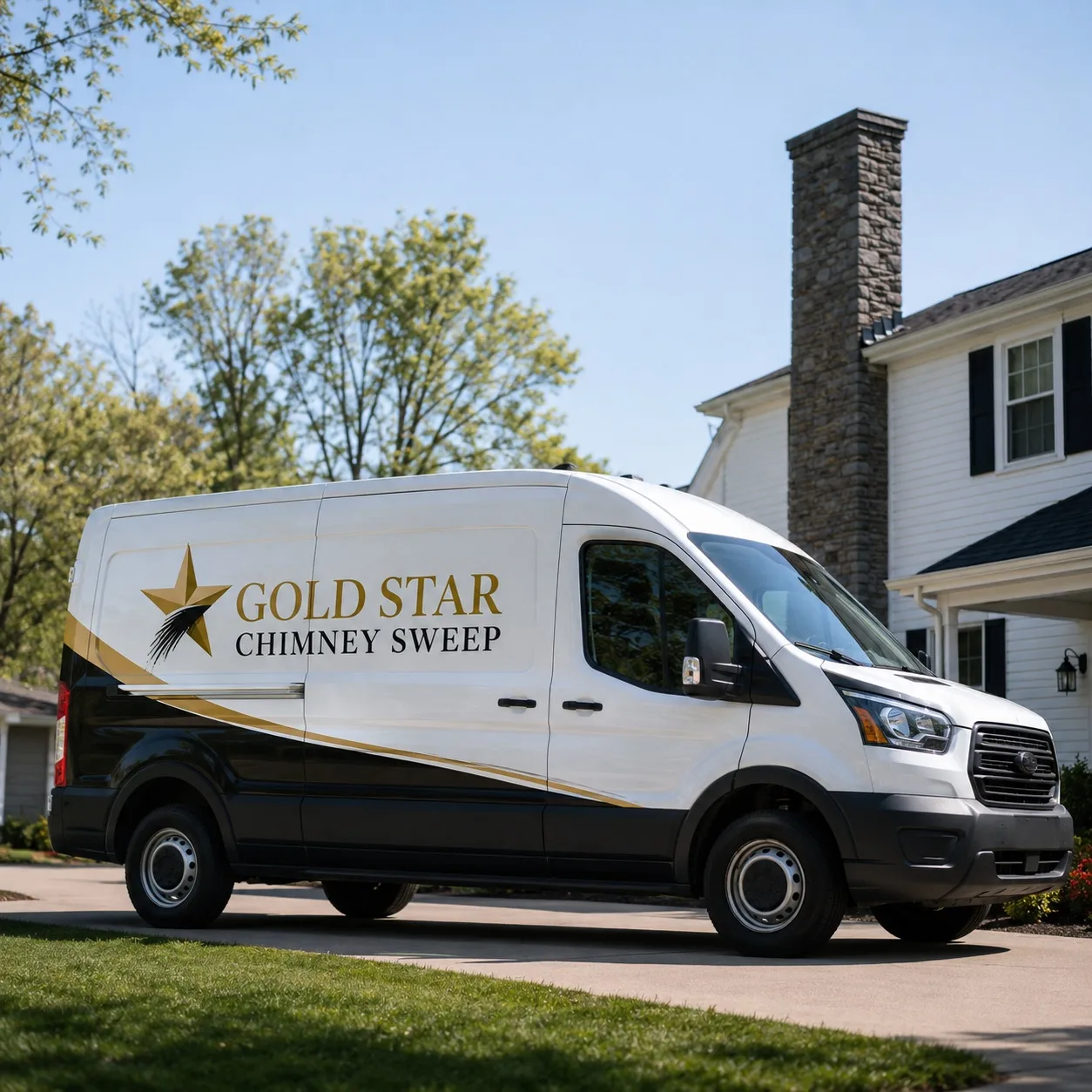
Gold star chimney sweep van founded in 2006

★ Common questions

Chimney questions homeowners ask

The short versions. The full FAQ goes deeper and is organised by topic.

There is no fixed interval. NFPA 211 calls for an annual inspection, and cleaning is done when the inspection shows it is needed. A household burning several cords a season usually needs a yearly cleaning; occasional weekend fires may go longer. The industry rule of thumb is that roughly an eighth of an inch of creosote means it is time.

Smoke rolling back into the room, fires that are hard to keep lit, a strong tarry smell that is worst in humid weather, black flakes in the firebox, or a visibly thick, shiny layer inside the flue. Any of those is worth a look.

At minimum, a technician examines the readily accessible parts of the chimney inside and out plus the appliance connection, checking structural soundness and confirming the flue is clear. Higher levels add attic and crawl space areas, clearance to combustibles, and a video scan of the flue interior.

Animal nests and windblown leaf debris are the most common, followed by fallen masonry such as crown fragments or cracked clay liner tiles that dropped into the flue. A properly fitted cap prevents most of the first two.

Most damage is repairable. Cracked crowns, eroded mortar joints, spalled brick, and failing flashing are all standard repairs. Rebuilding is reserved for stacks that have lost structural bond through multiple courses or are leaning.

It closes the only opening in your house that points straight up. Without one, rain falls directly down the flue, animals nest inside, and debris collects on the smoke shelf, which produces rusted dampers, damaged liners, deteriorating masonry, and blockages.


Flaking or crumbling brick, recessed or missing mortar, cracks in the crown, water stains on the ceiling near the chimney, rust on the damper or firebox, cracked firebrick, and any visible lean or gap where the chimney meets the house.

★ Next step

Need chimney service?

Cleaning, inspection, maintenance, and repair for wood and gas fireplaces. Tell us what you are seeing and we will tell you what it usually means.