
★ Trusted since 2006Open 7 days a week, 7:00 AM–9:00 PM
★ Trusted since 2006Open 7 days a week, 7:00 AM–9:00 PM

★ Chimney Lining
Chimney Lining & Relining in South Florida
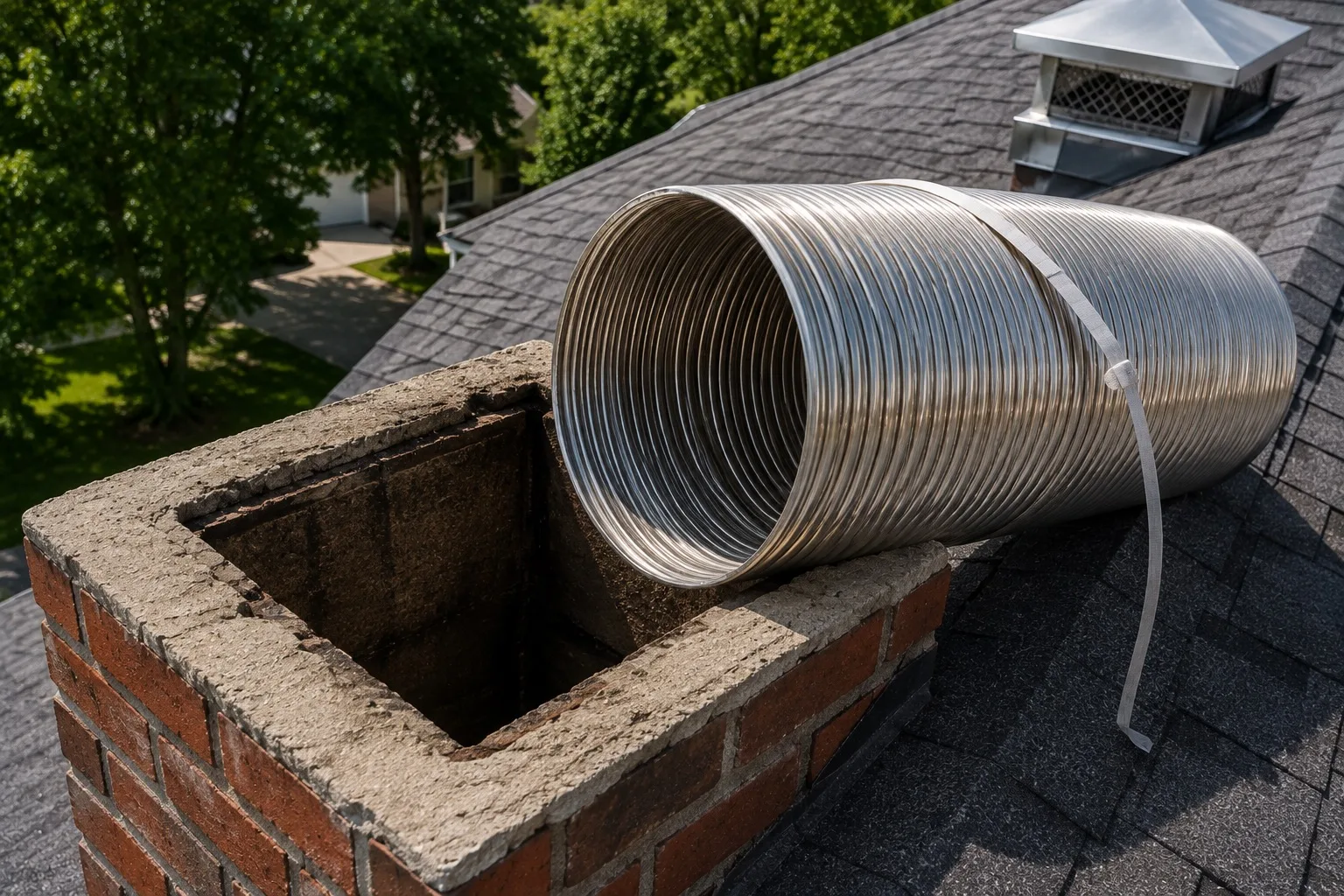
The liner is the surface that keeps flue gases and heat inside the chimney and away from your framing. When it fails, the chimney stops doing its main job.
★ Overview
What chimney liner installation actually involves
A masonry chimney is a brick box. The liner inside it is what actually contains the exhaust: it keeps corrosive combustion byproducts off the masonry, keeps heat away from the wood framing the chimney passes through, and gives the flue a smooth, correctly sized path for gases to rise.
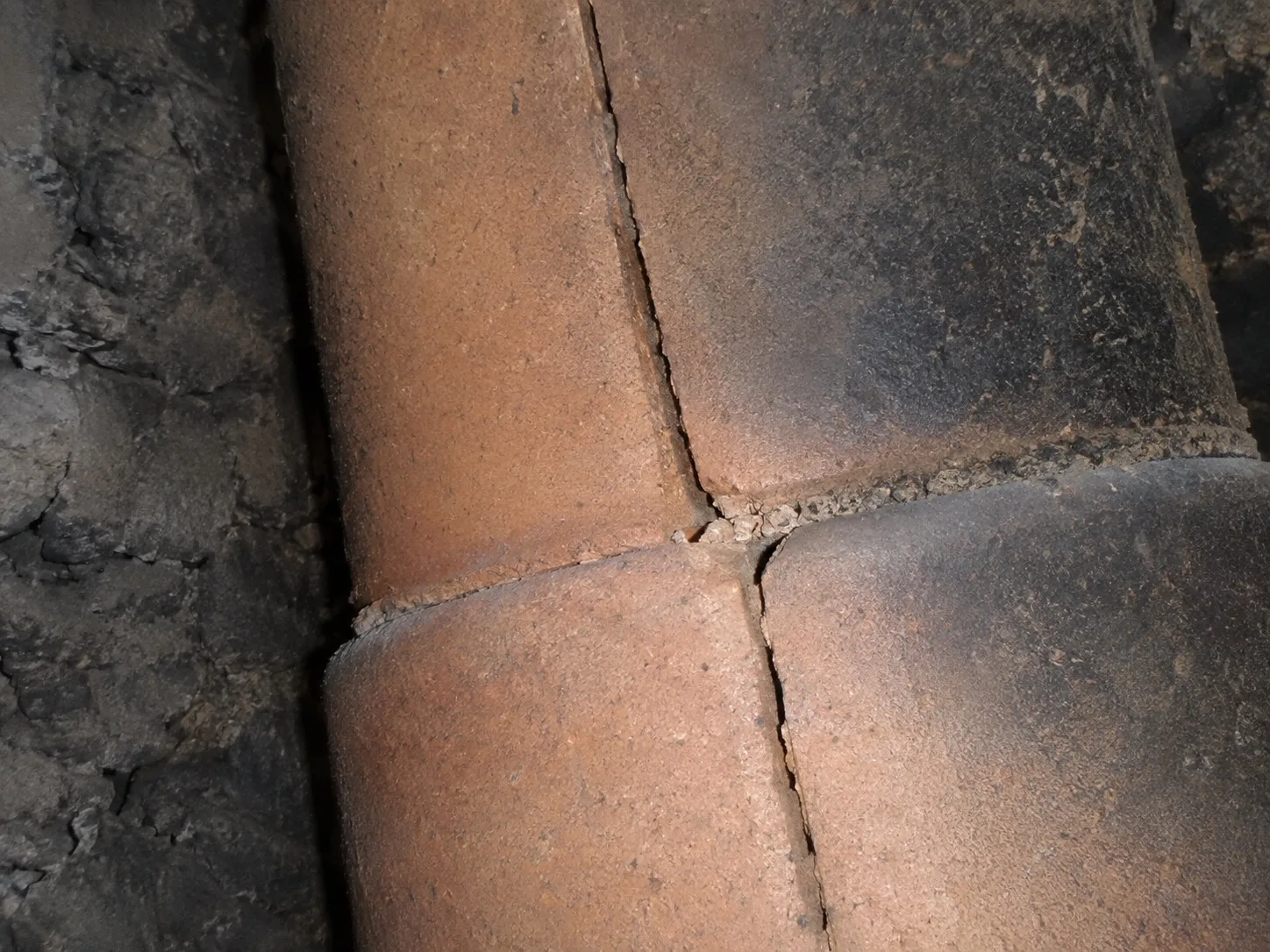
Clay tile liners are common and they last a long time, but they crack. Rapid heating during a chimney fire is a frequent cause; so is water working through mortar joints and freezing. Once a tile has cracked or a joint has opened, there is a path for heat and gas into the chimney cavity.
Relining is also the standard step when a chimney gets a new job. Putting a modern high-efficiency gas appliance on a flue sized for an old furnace, or a wood stove insert into an open fireplace flue, usually means the existing flue is now the wrong size, and an oversized flue condenses moisture instead of venting cleanly.
★ Scope of work
What is included
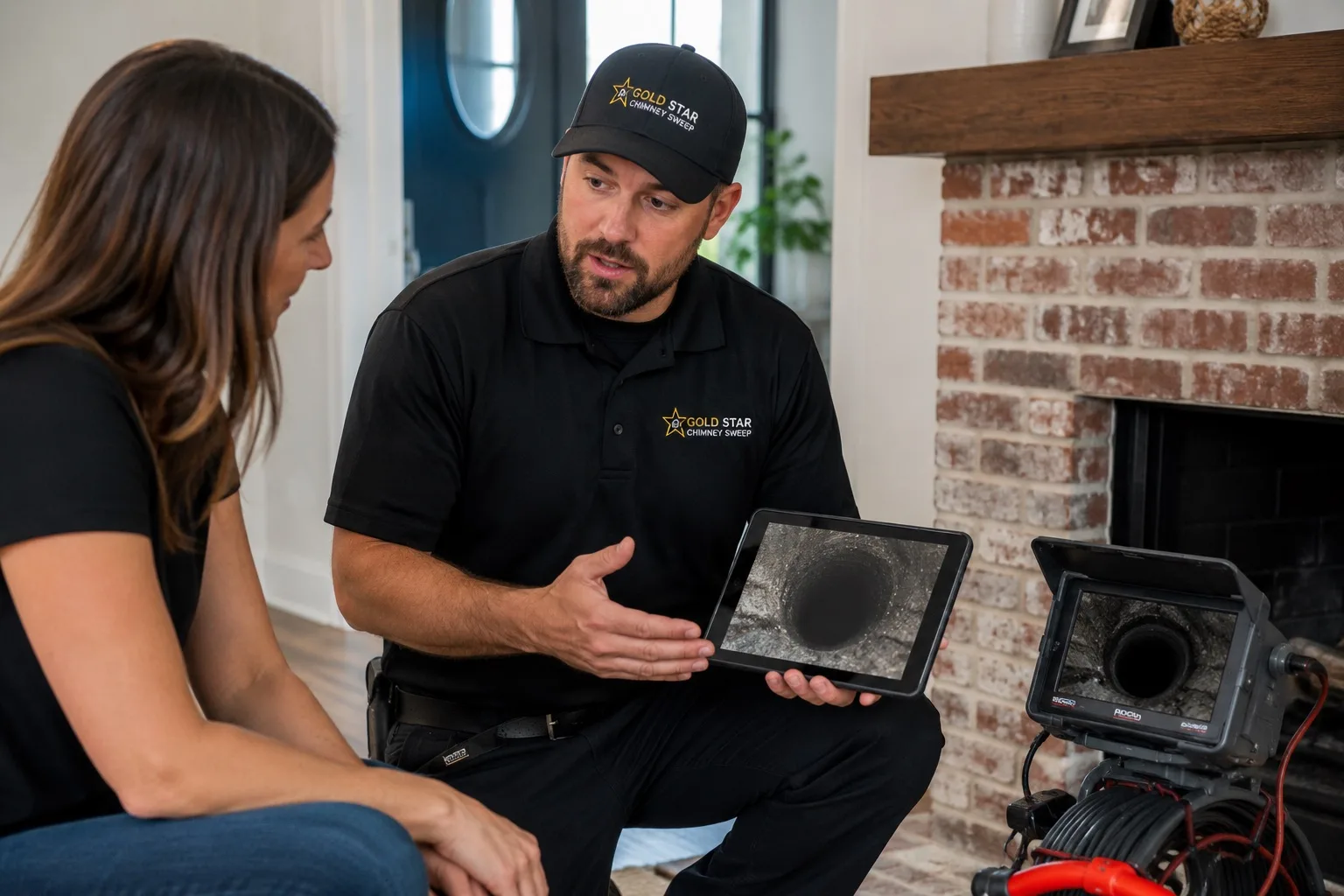
Camera evaluation
The flue is scanned before anything is quoted, so the recommendation is based on documented condition rather than a guess.
Correct sizing
Liner diameter is matched to the appliance or fireplace opening. Too big is a real problem, not a safe margin.
Stainless steel liners
Rigid or flexible depending on the offsets in the chimney, in the alloy appropriate to the fuel being vented.
Insulation where required
Insulated liners maintain flue temperature, improve draft, and are required in some clearance situations.
Top and bottom termination
Properly connected at the appliance and terminated with a top plate and cap at the crown.
Cast-in-place option
For deteriorated masonry where a poured liner both lines and structurally reinforces the flue.
★ Warning signs
Signs you may need this
- Pieces of clay tile appearing in the firebox or cleanout
- A camera inspection showing cracked tiles or open joints
- You have had a chimney fire, even a small contained one
- Installing a new furnace, water heater, insert, or stove
- An unlined chimney in an older home
- White staining, damp patches, or odour on the chimney breast
Seeing more than one of these usually means the underlying issue has been developing for a while. It is worth having looked at rather than watched.
Why this is not worth deferring
The clearest reason is the one you cannot see. A cracked liner lets heat and gas reach the chimney cavity and, in many homes, framing members that sit close to the masonry. That is the failure mode behind a meaningful share of chimney-related house fires.
The second is corrosion. Modern gas appliances produce cooler, wetter exhaust than the equipment older chimneys were built for. In an oversized or unlined flue that moisture condenses, and acidic condensate eats mortar from the inside out. A correctly sized stainless liner keeps the exhaust hot enough to exit and away from the masonry.
★ South Florida
What relining looks like in a coastal climate
Liner failure here is usually driven by moisture and corrosion rather than by hard winter use.
Corrosion decides the alloy
A stainless liner is not one product. Alloys differ, and near the coast the choice matters more than it does inland, because salt-laden humid air is chemically harder on metal. Specifying the wrong grade to save money on the install is how a liner becomes a second job a few years later.
Condensation in an oversized flue
Modern high-efficiency gas appliances vent cooler, wetter exhaust than the equipment older chimneys were built for. In a flue that is too large, that moisture condenses inside the chimney instead of leaving it. High ambient humidity makes the problem worse here than it would be in a dry climate.
Water from above
A cracked crown, a missing cap, or a rusted chase cover lets rain travel straight down the flue. Water sitting against clay tile and mortar joints degrades them steadily, and the liner is usually the last thing anyone thinks to check.
Prefabricated systems are different
A factory-built fireplace does not have a clay liner. It has a listed metal flue pipe, and it is repaired with parts listed for that specific system rather than relined in the masonry sense. Establishing which type you have is the first step, and it changes the entire recommendation.
Appliance changes
Converting a wood fireplace to gas, or installing an insert, almost always means the existing flue is now the wrong size. Relining at the same time as the appliance goes in is far cheaper than doing it as a separate visit later.
★ Our process
How we handle it
STEP 01
Scan and measure
Video inspection plus flue and appliance measurements to establish what is there and what is required.
STEP 02
Specify the liner
Material, diameter, rigid or flexible, insulated or not, with the reasoning explained.
STEP 03
Install
Liner run through the flue, insulated where specified, and connected at the appliance.
STEP 04
Terminate and verify
Top plate and cap fitted, connections sealed, and draft confirmed before we leave.
★ Why choose us
Why homeowners book this with Gold Star Chimney Sweep
- The inspection comes first, so the recommendation has evidence behind it
- Photos of what we found, included in the written report
- Plain explanations, no jargon you have to nod along to
- Containment and floor protection on every interior visit
- Work priced by scope, written out rather than quoted verbally
- We are comfortable telling you nothing needs doing
★ Questions
Chimney Lining FAQs
More on the full FAQ page.
Yes. Brick alone does not contain flue gases safely: the masonry absorbs moisture and corrosive byproducts, and heat transfers to whatever is on the other side. Unlined chimneys are common in older homes and are a known hazard.
Stainless liners are long-lived when correctly specified for the fuel and properly installed. Many carry extended manufacturer warranties; the alloy has to match the appliance, which is where cheap installs go wrong.
Sometimes. Joint repair and cast-in-place systems can restore a flue without full replacement. Which is appropriate depends on how much of the liner has failed, which the camera scan establishes.
High-efficiency appliances vent cooler, wetter exhaust than older equipment, and they often need a much smaller flue. An oversized flue lets that exhaust cool and condense inside the chimney instead of venting.
It affects everything metal here. Stainless resists it well when the correct alloy is specified for the fuel and the exposure. That specification is the part that gets skipped on a cheap install, and it is the part that determines how long the liner lasts.
Not in the masonry sense. Factory-built systems use a listed metal flue, and damaged sections are replaced with parts listed for that model rather than relined. If those parts are no longer manufactured, replacing the appliance is often the practical route.
Yes, and here it is one of the main causes. Rain entering through a cracked crown, a missing cap, or a rusted chase cover sits against clay tile and mortar joints, and freeze damage is not required to break them down. Persistent moisture does it on its own.
★ Next step
Need chimney liner installation?
Tell us what you are seeing and we will tell you whether chimney lining is the right next step, or whether something else is.